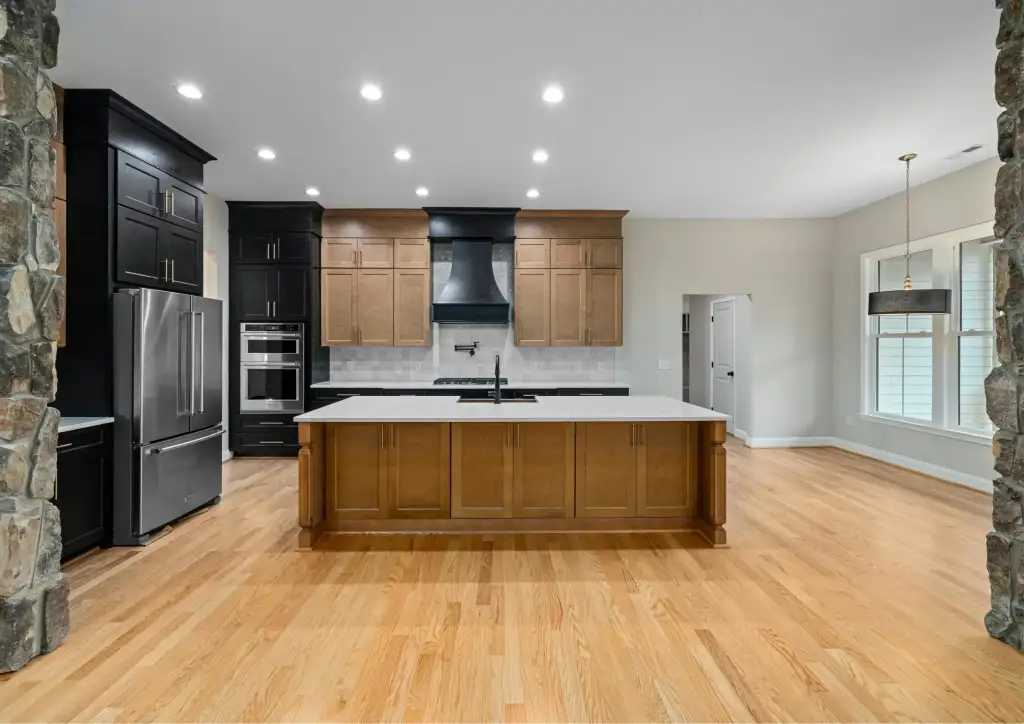
How to Clean Wood Kitchen Cabinets: A Complete Guide for Homeowners
Wood kitchen cabinets add timeless beauty, warmth, and value to any home. Whether you have classic oak, rich cherry, or modern walnut finishes, proper care ensures your cabinets last for decades without losing their natural charm. However, the kitchen is one of the busiest areas in the house, and grease, food splatters, and fingerprints inevitably collect on cabinet doors and handles.
The challenge is learning how to clean wood kitchen cabinets without damaging the finish. If you scrub too harshly, you risk stripping the protective coating. If you use the wrong products, you could leave permanent stains or dullness. That’s why this guide, based on expert cleaning tips, design knowledge, and references from home improvement books like Home Comforts by Cheryl Mendelson is your complete resource on maintaining wood cabinets.
Table of Contents
- How to Clean Wood Kitchen Cabinets: A Complete Guide for Homeowners
- Why Cleaning Wood Kitchen Cabinets Matters
- How Often Should You Clean Wood Cabinets?
- Step 1: How to Clean Wood Kitchen Cabinets Without Damaging the Finish
- Step 2: How to Clean Wood Cabinets and Make Them Shine Naturally
- Step 3: How to Clean Kitchen Cabinets Grease
- Step 4: How to Clean Wood Kitchen Cabinets with Vinegar
- Step 5: How to Clean Wood Kitchen Cabinets Stains
- Special Care for Different Types of Wood Cabinets
- Extra Tips for Long-Lasting Wood Cabinets
- Professional Help: When to Call Experts
- How Kitchen Design in Los Angeles Influences Cabinet Care
- Final Thoughts
Why Cleaning Wood Kitchen Cabinets Matters
Before we dive into techniques, it’s important to understand why wood cabinet maintenance is crucial. Unlike laminate or metal, wood is porous and sensitive to moisture and chemicals. According to experts in furniture care, untreated buildup can:
- Damage finishes by dulling the protective varnish.
- Encourage mold growth in damp areas.
- Cause discoloration or dark stains from grease.
- Shorten cabinet lifespan, forcing expensive replacements.
Regular maintenance keeps your kitchen hygienic, protects your investment, and makes your entire space shine especially in cities like Los Angeles, where modern kitchen design emphasizes open layouts and cabinetry as a central design feature.
How Often Should You Clean Wood Cabinets?
Different cleaning levels depend on your household habits:
- Daily: Wipe spills, fingerprints, and splashes immediately with a damp microfiber cloth.
- Weekly: Light cleaning with a gentle solution to remove grease and dust.
- Monthly: A deeper clean with natural methods to maintain shine.
- Yearly: Professional or DIY polishing and conditioning to protect the wood.
Pro tip: In homes with open kitchens common in Los Angeles kitchen design cabinets are more exposed to cooking oils. Weekly deep cleaning is essential in such spaces.
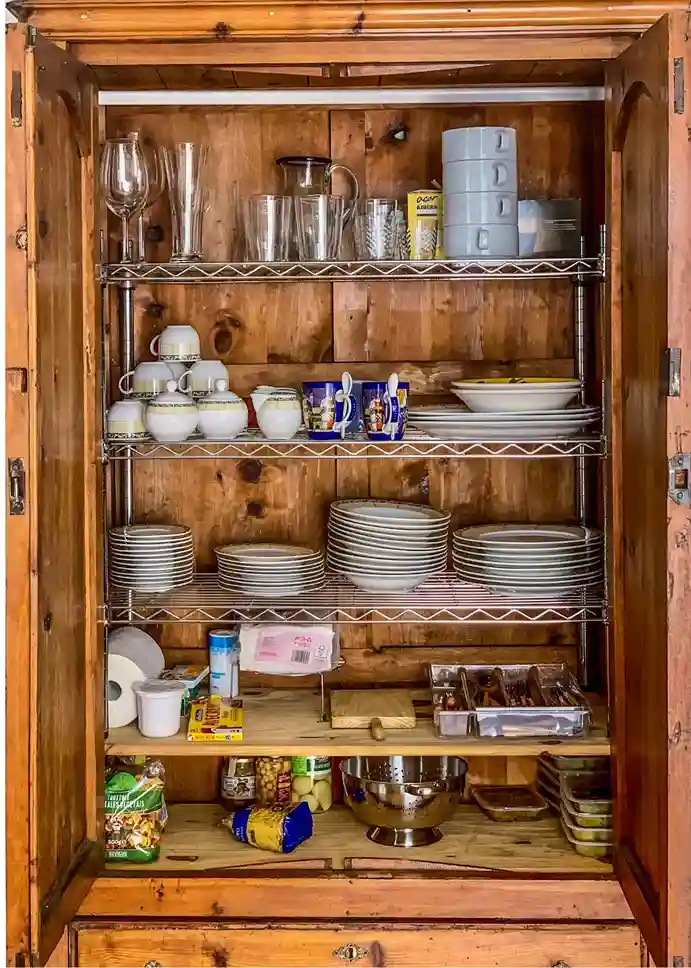
Step 1: How to Clean Wood Kitchen Cabinets Without Damaging the Finish
One of the biggest concerns homeowners have is accidentally ruining their cabinet finish. Experts recommend starting with the gentlest method and working your way up only if necessary.
Safe Cleaning Method:
- Dust First – Use a dry microfiber cloth to remove dust.
- Mild Soap Solution – Mix a few drops of dish soap in warm water. Avoid ammonia or bleach-based cleaners.
- Soft Wipe – Dip a cloth in the solution, wring until damp, and wipe along the grain of the wood.
- Dry Immediately – Use a clean towel to prevent moisture damage.
👉 This method works well for everyday dirt and is the best way to preserve the finish.
Step 2: How to Clean Wood Cabinets and Make Them Shine Naturally
Over time, wood cabinets can lose their luster. Instead of chemical polishes, natural methods can restore shine while keeping cabinets safe.
Natural Shine Solutions:
- Olive Oil + Vinegar Polish: Mix 2 parts olive oil with 1 part vinegar. Apply lightly with a soft cloth, then buff until shiny.
- Lemon Oil: A few drops on a microfiber cloth can enhance the wood’s natural glow.
- Beeswax Polish: Provides long-term shine and adds a protective barrier.
As Cheryl Mendelson notes in Home Comforts, oil-based natural polishes are preferable for wood surfaces because they both nourish and protect.
Step 3: How to Clean Kitchen Cabinets Grease
Grease is the most common enemy of wood cabinets, especially around handles and stove areas.
Degreasing Technique:
- Vinegar Solution – Mix equal parts vinegar and warm water.
- Targeted Cleaning – Apply the solution to greasy spots with a cloth.
- Stubborn Grease? Add a small amount of baking soda to the cloth and rub gently.
- Rinse and Dry – Wipe with a damp cloth, then dry completely.
👉 Avoid harsh degreasers these can strip the protective coating and discolor the wood.
Step 4: How to Clean Wood Kitchen Cabinets with Vinegar
Vinegar is one of the most effective natural cleaners, but it should be used properly to avoid damage.
Vinegar Cleaning Method:
- Mix one cup of vinegar with one cup of warm water.
- Dip a microfiber cloth into the solution, wring well, and wipe gently.
- Rinse with a damp cloth and dry immediately.
Important: Never soak the wood in vinegar it can weaken finishes if overused. Always dilute it.
Step 5: How to Clean Wood Kitchen Cabinets Stains
Wood cabinets sometimes develop stains from water, food, or oils. Here’s how to tackle them:
- Water Stains: Rub a mixture of baking soda and water paste along the grain. Wipe off and dry.
- Grease Stains: Use diluted vinegar or a drop of mild dish soap directly on the spot.
- Dark Stains (caused by prolonged water damage): Lightly sand and refinish if needed.
When in doubt, test your cleaning solution on a hidden corner first.
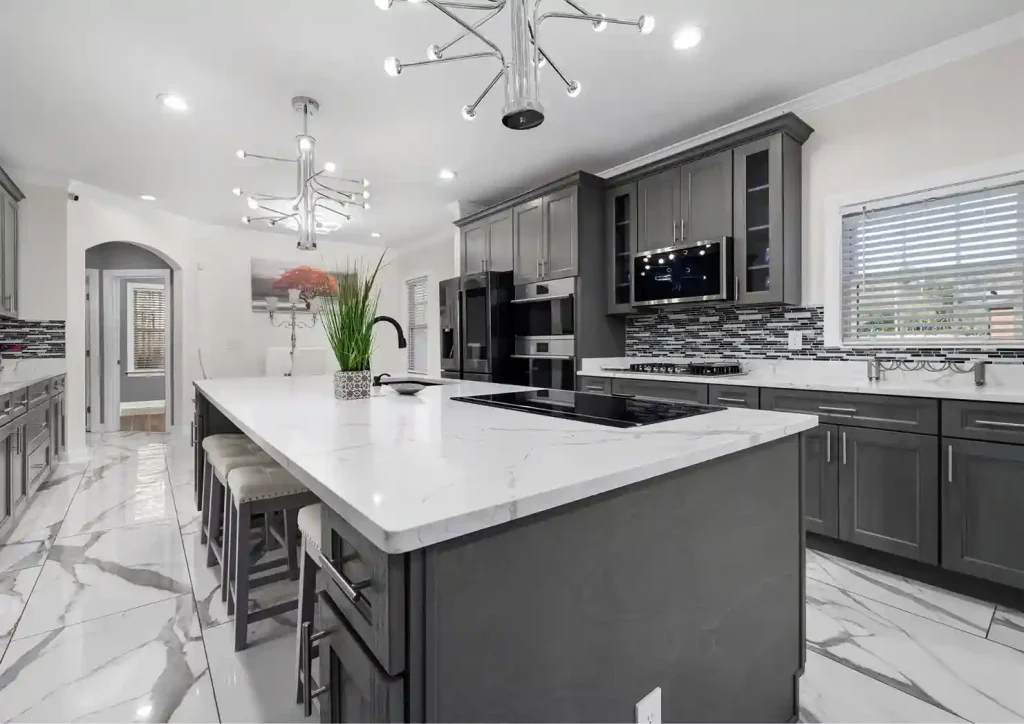
Special Care for Different Types of Wood Cabinets
Not all woods react the same. Here are quick tips based on popular cabinet finishes:
- Oak Cabinets: Strong and durable but can show grain buildup use a toothbrush for grooves.
- Cherry Cabinets: Prone to darkening avoid overexposure to sunlight and harsh chemicals.
- Maple Cabinets: Smooth finish clean regularly with mild soap to prevent dullness.
- Painted Wood Cabinets: Stick to very gentle cleaning to avoid stripping paint.
Extra Tips for Long-Lasting Wood Cabinets
- Always use microfiber cloths, not abrasive pads.
- Avoid excess water wood swells when exposed to moisture.
- Install a good kitchen ventilation system to reduce grease buildup.
- Add cabinet liners inside shelves for easier cleaning.
- Polish cabinets once or twice a year with a natural product.
Professional Help: When to Call Experts
If your cabinets have severe stains, peeling finish, or water damage, it may be time to call professionals. Many kitchen remodeling companies in Los Angeles offer cabinet refinishing as part of their services, ensuring your kitchen looks brand new without full replacement.
How Kitchen Design in Los Angeles Influences Cabinet Care
In cities like Los Angeles, homeowners often invest in luxury kitchen design with custom wood cabinetry. Open layouts and high-end finishes require more frequent cleaning to maintain a sleek, polished look. Because these kitchens often serve as social spaces, cabinet shine and cleanliness directly affect the home’s appeal.
Professional designers in Los Angeles recommend incorporating easy-to-clean finishes, strong ventilation, and high-quality wood when planning a remodel. That way, you’ll enjoy both beauty and practicality.
Final Thoughts
Learning how to clean wood kitchen cabinets without damaging the finish is about consistency and using gentle, natural solutions. Whether you’re dealing with grease, vinegar-based cleaning, or stains, always start mild and avoid harsh chemicals. For natural shine, simple home remedies like olive oil, lemon, or beeswax are your best friends.
Maintaining your wood cabinets not only keeps your kitchen clean but also enhances its design value especially in areas like Los Angeles, where kitchen aesthetics are just as important as functionality. With the right care, your cabinets will continue to look stunning for years to come, turning your kitchen into a warm, inviting, and timeless space.